Best Digital Growth Strategies for Software Companies help SaaS providers and IT firms scale through AI personalization, Product-Led Growth, SEO, LinkedIn marketing, content strategy, and analytics. These proven techniques increase online visibility, generate high-quality leads, improve customer retention, and drive sustainable revenue growth while helping software businesses stay competitive in the evolving digital marketplace
Best Digital Growth Strategies for Software Companies help SaaS providers and IT firms scale through AI personalization, Product-Led Growth, SEO, LinkedIn marketing, content strategy, and analytics. These proven techniques increase online visibility, generate high-quality leads, improve customer retention, and drive sustainable revenue growth while helping software businesses stay competitive in the evolving digital marketplace
AI-Powered Personalization at Scale
Product-Led Growth (PLG): Let the Product Sell Itself
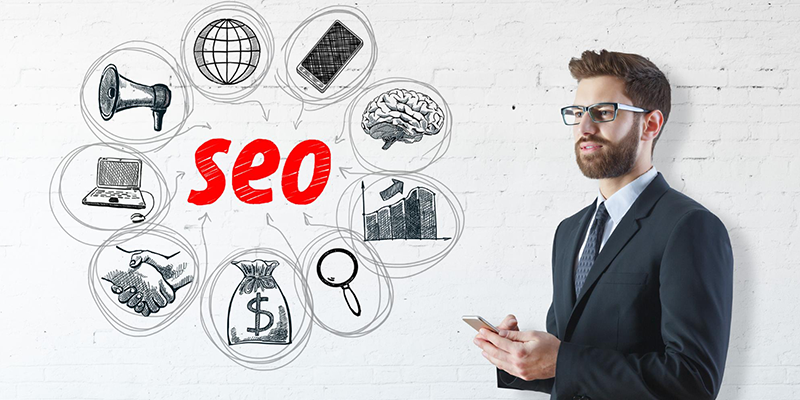
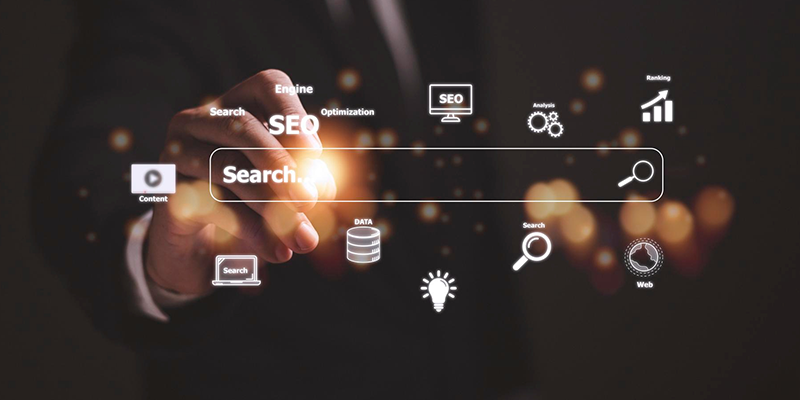
SEO + Intent-Based Content Strategy
LinkedIn as a B2B Growth Engine
Short-Form Video and YouTube SEO
Signal-Based Outbound Marketing
Content Marketing and Thought Leadership
CRM, Email Automation, and Retention Marketing
Partnerships, Integrations, and Community Growth

The software industry has never been more competitive. With thousands of SaaS products, development agencies, and IT service companies all vying for the same clients, simply having a great product is no longer enough. In 2026, the software companies that are growing fastest are those that have built intelligent, multi-channel digital growth engines — combining AI automation, intent-driven content, community-led marketing, and data-first decision-making into one cohesive strategy.
If you’re running a software company and want to scale your visibility, inbound leads, and revenue this year, this guide is your playbook.

Artificial intelligence has moved from being a buzzword to a genuine growth multiplier for software companies in 2026. AI-driven personalization allows businesses to deliver hyper-relevant messaging to each prospect based on their behavior, industry, and stage in the buying journey — something that was impossible to do manually at scale.
For software companies specifically, AI can be deployed across the entire funnel:
Modern marketing in 2026 is driven by three forces: AI-powered personalization, omnichannel customer experiences, and performance-driven content. Software companies that invest in AI personalization tools see higher conversion rates because they replace generic sales pitches with contextually relevant communication.
Recommended tools: HubSpot AI, Salesforce Einstein, Drift (AI chatbot), Apollo for AI-driven outreach sequences.

In 2026, the most effective growth approach for SaaS and software companies is Product-Led Growth (PLG) — a strategy where the product itself becomes the primary acquisition channel. Instead of relying exclusively on outbound sales teams or paid ads, PLG companies let users experience value first, then convert to paid.
The logic is straightforward: when a potential customer can try your software without friction, they are far more likely to buy. Examples like Slack, Notion, and Canva have proven this model at scale, and in 2026, even B2B enterprise software companies are adopting it.
How to implement PLG for your software company:
Conversion boosters like free trials, live demos, and 1:1 consultations tailored to the prospect’s use case are proven to accelerate pipeline for software companies operating PLG models.

Search Engine Optimization continues to be one of the most powerful lead generation methods for software companies. Every day, businesses search for services like custom software development, AI integration, CRM software, and cloud migration — and ranking for these terms generates consistent, high-intent inquiries over time without dependence on paid ads.
But SEO in 2026 is fundamentally different from what it was three years ago. Google now heavily rewards helpful, experience-driven content — not keyword stuffing or thin articles. The winning formula for software companies is building topic authority clusters: a pillar page covering a broad subject (e.g., “Enterprise CRM Software”) supported by a web of detailed articles covering specific sub-topics
Key SEO tactics that work for software companies in 2026:
In 2026, the most effective SEO-driven content includes deep-topic authority articles, problem-solving guides, comparison and decision-making content, and conversational writing optimized for voice search. Software companies that publish consistently on these formats see compounding organic traffic growth month over month.

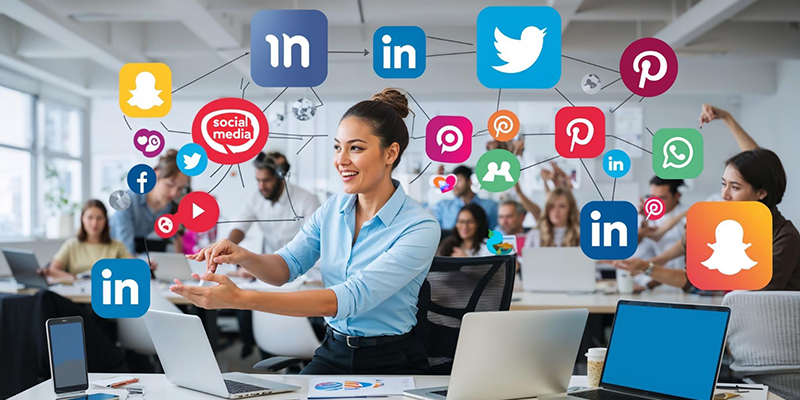
For software companies targeting business clients, LinkedIn is the single most powerful platform in 2026. LinkedIn serves as the B2B home for software brands — it is where decision-makers consume content, discover new tools, and engage with vendors they trust.
A strong LinkedIn growth strategy for software companies includes:
B2B SaaS companies using LinkedIn as a primary channel have seen stronger pipeline quality because the platform attracts buyers at the consideration and decision stage — not just top-of-funnel awareness.

Short-form vertical video dominance is one of the top digital marketing trends for 2026, and software companies that are not investing in video content are leaving significant growth opportunities on the table. Video helps demystify complex software solutions, builds trust faster, and improves conversion rates on landing pages.
A critical shift happening in 2026 is that SEO is migrating to YouTube. Google increasingly surfaces YouTube videos in organic search results, meaning a well-optimized YouTube video about “best project management software for construction companies” can outrank a traditional blog post.
Video content types that work best for software companies:
Embedding relevant YouTube videos on your website is also a smart dual-purpose tactic — it improves time-on-page (a positive SEO signal) and serves as engaging content for website visitors simultaneously.

In 2026, the most efficient B2B software companies are ditching spray-and-pray cold outreach in favor of signal-based GTM (Go-to-Market) strategies. Instead of blasting thousands of cold emails, they monitor real-time intent signals to reach prospects exactly when they need a solution.
What are intent signals?
Automated triggers can be set up to personalize outreach the moment these signals fire — making your message feel timely and relevant rather than intrusive. Tools like Apollo, ZoomInfo, and Bombora make signal-based prospecting accessible even for mid-sized software companies.

Businesses with a documented content marketing strategy achieve higher ROI and consistency. For software companies, content marketing serves a dual purpose: it builds SEO equity and positions the brand as an industry authority that prospects trust before they ever speak to a salesperson.
High-performing content tactics for software companies in 2026 include:
Repurposing content is a growth hack many software companies overlook. One long-form blog post can be repurposed into a LinkedIn carousel, an email newsletter, a YouTube Short, a Twitter/X thread, and an infographic — multiplying distribution without multiplying production costs.

Acquisition is expensive. Retention is profitable. In 2026, the software companies with the best unit economics are those that invest as heavily in customer retention and expansion revenue as they do in acquisition. A well-segmented email and CRM strategy is the backbone of sustainable growth.
Best practices for email and CRM in 2026 for software companies:
Retention tactics like dedicated customer success managers, in-app onboarding walkthroughs, regular product update emails, and ongoing training webinars keep customers engaged long enough to become your most powerful growth lever: word-of-mouth referral.

One of the most underutilized but fastest-growing strategies for software companies in 2026 is strategic API partnerships and community-driven feature development. When your software integrates seamlessly with tools your customers already use, you reduce friction and gain distribution through partner ecosystems.
Building or participating in a community also creates a compounding growth loop. A community of power users becomes:

In 2026, success for software companies is defined by the Rule of 40 — a principle that states a healthy software business should have its growth rate plus profit margin equal to or exceed 40%. This shifts the focus from growth-at-all-costs to efficient growth.
To measure and achieve this, software companies need:
Developing a centralized analytics platform, running strategic campaigns, and examining performance weekly rather than monthly are the best practices for sustainable digital marketing growth in 2026.

The software companies that are winning in 2026 are not those throwing the most money at ads. They are the brands that combine data, personalization, automation, and authentic storytelling into a focused, measurable strategy. The key is to pick the channels that align with your stage of growth, build consistency, and let compounding work in your favor.
Start with one or two strategies from this list, execute them with discipline, and layer in additional channels once your foundation is solid. Whether you’re a bootstrapped SaaS startup or a scaling software services firm, the principles remain the same: be helpful, be visible, be trusted — and growth will follow.
The best digital growth strategies for software companies include AI-powered personalization, Product-Led Growth (PLG), intent-based SEO, LinkedIn marketing, short-form video, signal-based outbound marketing, and data-driven analytics. These approaches help increase visibility, generate qualified leads, and drive sustainable revenue growth.
Product-Led Growth allows potential customers to experience the value of a software product through free trials or freemium plans before making a purchase. This strategy improves user adoption, shortens sales cycles, and increases conversion rates while reducing customer acquisition costs.
AI helps software companies personalize customer experiences, automate email campaigns, qualify leads with AI chatbots, optimize marketing performance, and analyze customer behavior. These capabilities improve engagement, boost conversion rates, and make marketing more efficient.
SEO remains one of the most effective long-term growth channels because it attracts high-intent prospects searching for software solutions. Modern SEO focuses on topic authority, programmatic SEO, voice search optimization, schema markup, and helpful content that ranks well in both search engines and AI-powered search results
The highest-performing channels include SEO, LinkedIn marketing, content marketing, email automation, YouTube, short-form video, and strategic partnerships. When combined with CRM automation and analytics, these channels help software companies generate consistent leads, improve customer retention, and achieve scalable business growth.






















Ready to elevate your customer experience? Don’t settle for ordinary support. Our dedicated consultants are standing by to match your enterprise with the highest-caliber customer service executives in the USA. From virtual assistants to specialized account managers, we have the expertise and talent pool to meet your needs.
Contact our team today to discuss how our tailored customer executive services can transform your support operations. Let us help you hire or outsource the best customer service executives in USA, so you can focus on growing your business with confidence. Together, we will build a world-class customer support team that drives loyalty and success.

Let our expert recruiters bring the right talent your way- connect with us today!
Fill in the form below to book a free consulting session: